



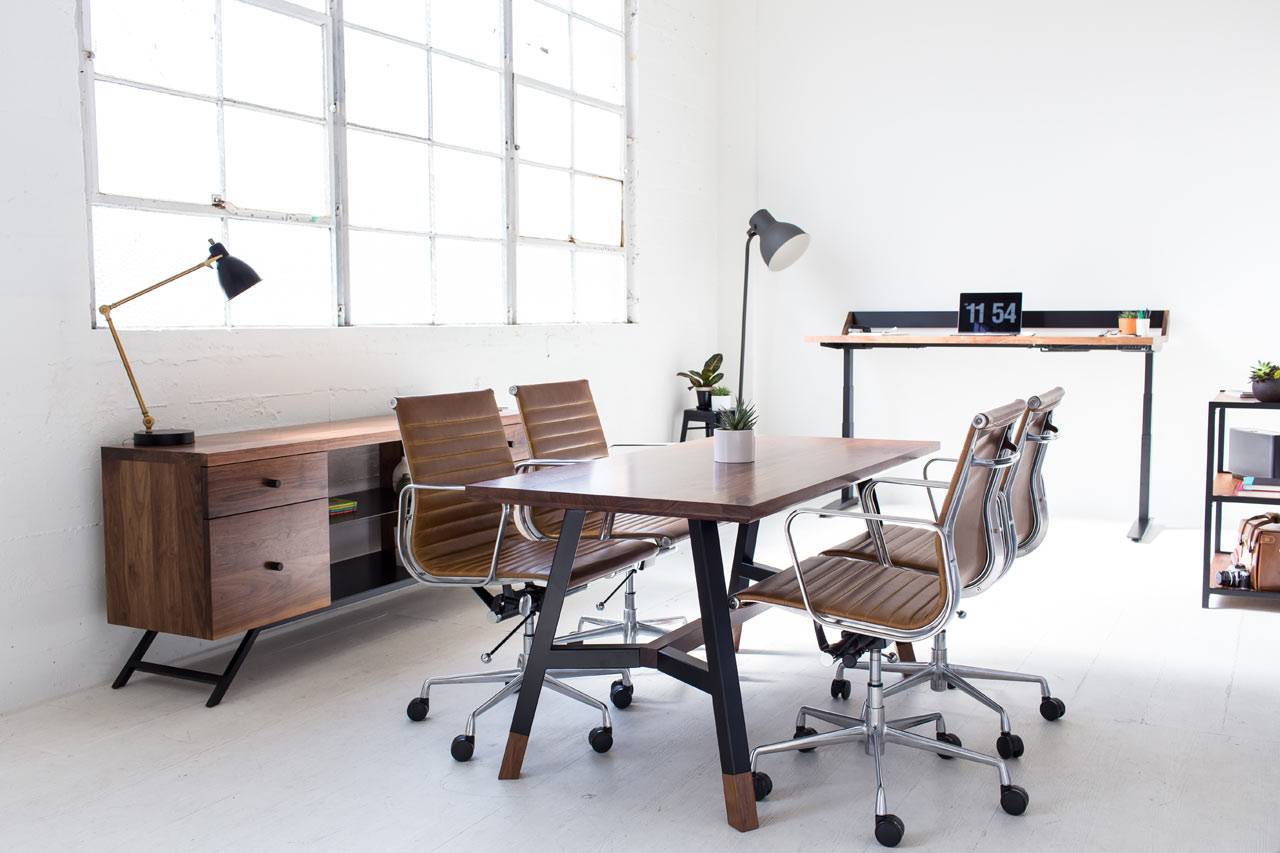
Setting up an office for your new business is a project that comes with an endless range of challenges. Even if you are redesigning an office from scratch, it is worth bearing in mind that many factors come into play, including the purchase of second-hand office furniture.
Did you know that the type of furniture you choose will affect not only the overall appearance of your workplace, but also your employees' productivity? Now you do.
Once you are certain about the location, the obvious next step is to look for the perfect office furniture to reflect your business image. Fortunately, starting from scratch does not have to be an ordeal if you have the right advice.
Why choose second-hand furniture?
There is always the option of buying quality used office furniture—one of the most important tips for ultimately saving a considerable amount of money. Furthermore, investing in second-hand office furniture is an effective way to protect the environment by giving a product a new lease of life.
Put simply, it does not matter whether you are relocating, expanding or starting from scratch; investing in used office furniture is undoubtedly an excellent option. Here are a few tips and recommendations.
What to consider when buying second-hand office furniture
1. Inspect your second-hand furniture in person
Nowadays, online shopping is commonplace, so it can be tempting to make a decision based solely on what you see on your computer screen. It is advisable to set aside some time to view, touch and thoroughly inspect the furniture before spending your hard-earned money.
2. Stick to a budget
Although investing in second-hand office furniture is the less expensive option, it is still possible to run up a sizeable bill. It is always wise to begin by asking yourself how much you are prepared to spend on the project, before drawing up a detailed budget and sticking to it. Any shopping trip presents opportunities for impulse purchases, making it very easy to overspend.
3. Consult an interior designer
There is no harm in seeking advice from an experienced professional before committing to anything. Of course, the final decision is yours, but an expert can be extremely helpful, particularly when deciding on the overall style and types of furniture to consider.
If possible, take advantage of the free consultation offered by many industry professionals. You never know what excellent ideas you might otherwise miss.
4. Furniture spacing
Ultimately, the amount of space available in your office will determine which furniture you should invest in. For example, larger shared desks may be ideal for offices with limited space. By contrast, large open-plan spaces provide greater scope and flexibility for exploring different ideas. Put simply, always base your decision on the amount of space available when buying used office furniture.
5. Comfort
As mentioned above, the type of furniture you invest in can have a significant impact on employee productivity. It therefore goes without saying that your employees need comfortable chairs, tables and desks to work productively. Although the appearance of second-hand office furniture also plays an important role, comfort should be your primary concern. After all, what is the point of having attractive furniture that nobody wants to sit on? Think about it.
6. Aesthetics
Speaking of aesthetics, you will naturally want attractive furniture that makes a strong first impression on your clients. This does not contradict the previous recommendation: when it comes to office furniture, style is just as important as comfort.
Generally speaking, rich colours and complementary design elements create an ideal setting for a productive working environment. Coordinate your colours and choose a consistent theme for your used office furniture to create a calm atmosphere.
7. Desks and chairs
Employees spend most of their time working at office desks while seated in ergonomic chairs. With this in mind, you should prioritise finding suitable second-hand furniture that enhances comfort. This simply means choosing a large, functional desk with sufficient legroom and a complementary, adjustable office chair.
8. Privacy
Most people work better in quiet, secluded environments and, if you are like most people, privacy is probably a key priority in the workplace. To improve employee productivity, soundproof office partitions may be your safest option.
9. Storage
Every employee has a few personal items—a framed photograph of their loved ones, perhaps, or an autographed baseball, and in some cases both. Combined with office records and filing systems, this means clutter can quickly take over if you are not careful. When choosing second-hand office furniture, it is always advisable to select items with sufficient storage space, particularly desks.
10. Get a second opinion
If you are looking for used furniture, it is highly advisable to ask a friend to accompany you. Show the furniture you intend to buy to someone else and listen to what they have to say about it. You never know what useful insights you may gain.
11. Buy from a reputable seller
As a general rule, the quality of used office furniture depends on exactly where you buy it. In short, established and reputable second-hand furniture dealers will always have excellent pieces to offer. There may also be after-sales services to look forward to—perhaps even free delivery.
In short, value should be your main consideration. What exactly are you getting in return for your investment in second-hand furniture? Are you simply looking for a bargain, or are you seeking quality? With the tips above, you should be able to find the perfect office furniture for your needs, including second-hand office furniture.
Deja un comentario